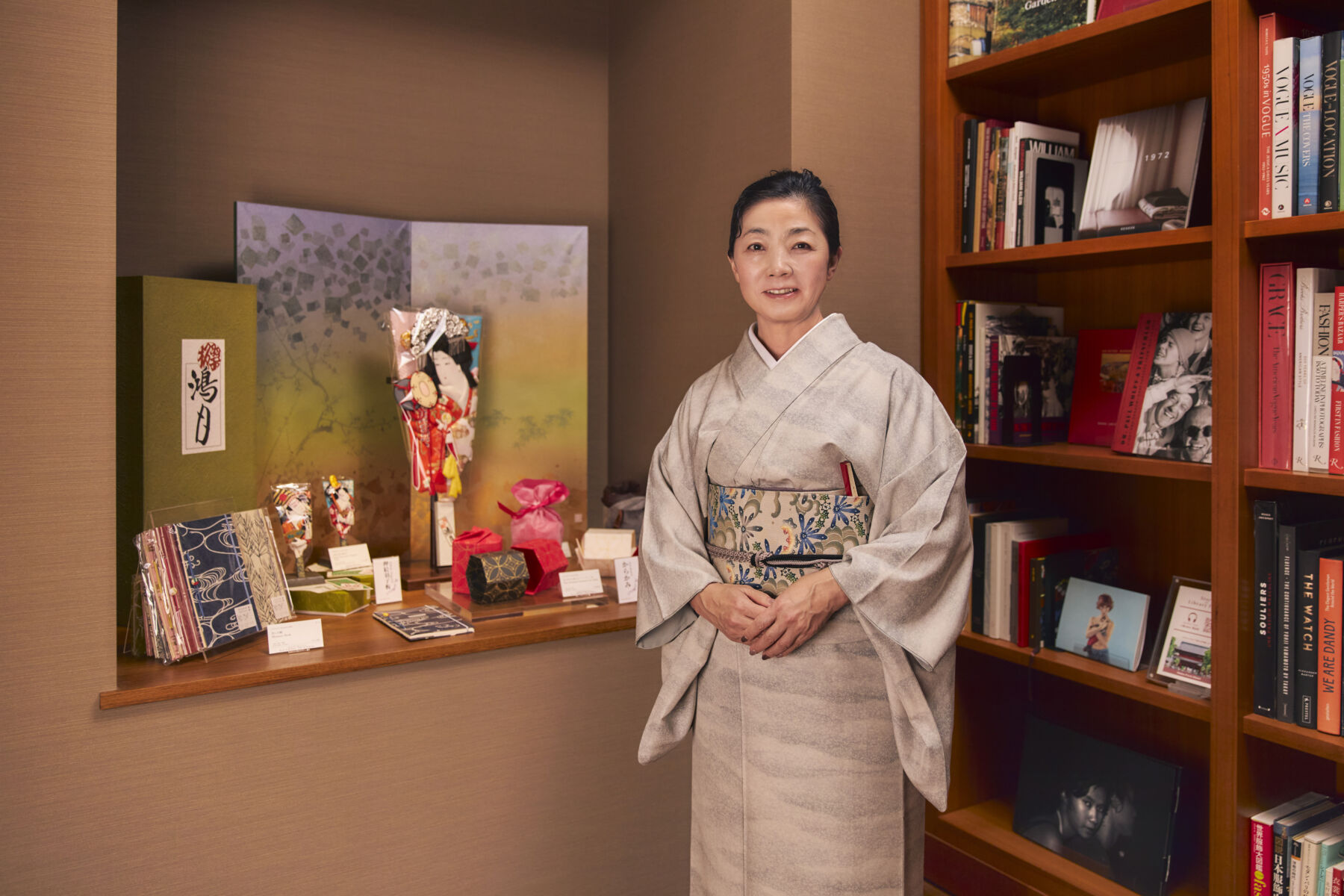
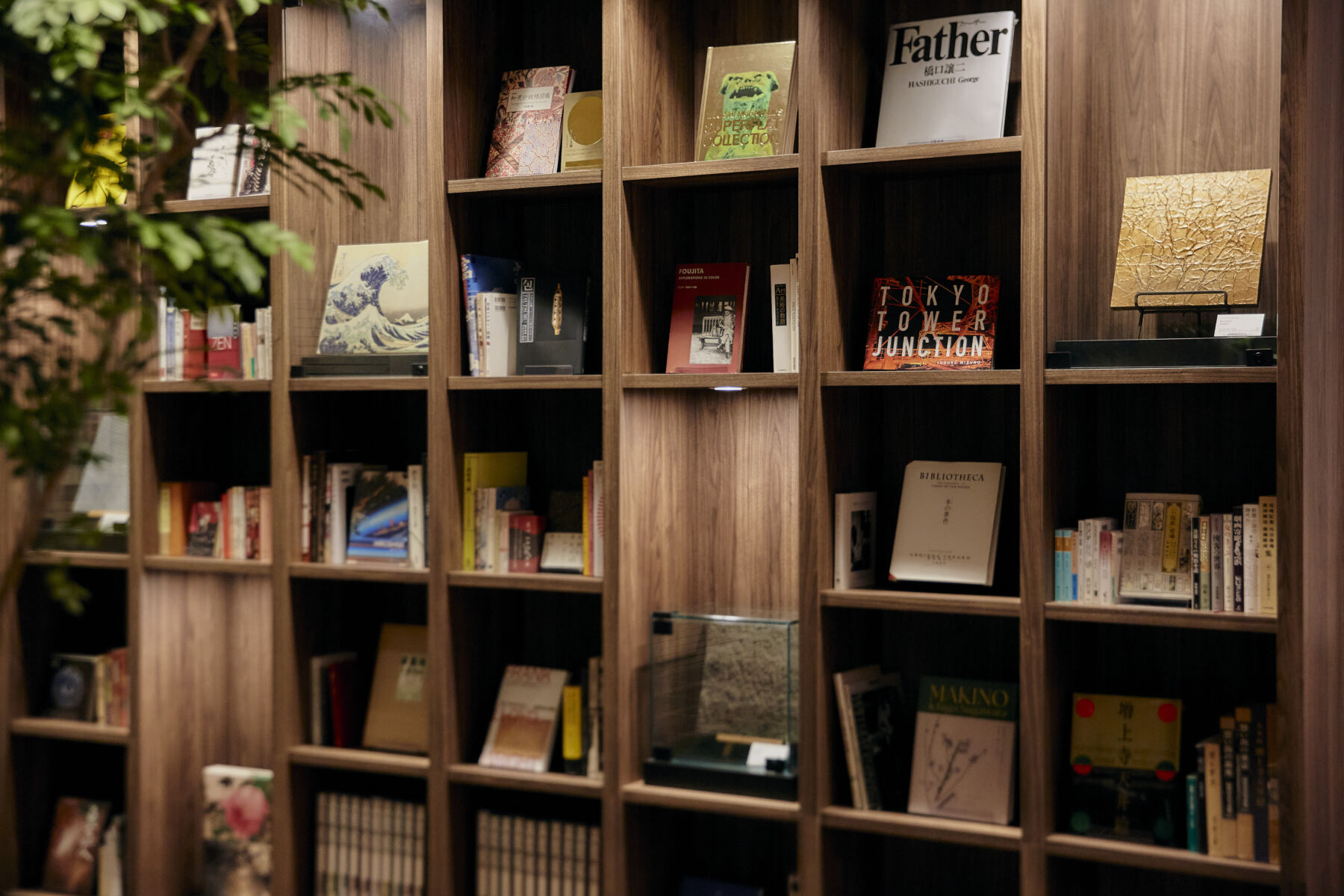
Shiba Park Hotel presents the “Tale of Artisans”—a curated exhibition spanning the first and second floors, dedicated to celebrating the exquisite work of Japanese artists and craftsmen.
For this edition, we spoke with Nozomi Kinoshita of Braincafe Co., Ltd., the curator behind the exhibition, about Tale of Artisans Vol. 17 “Yorokobi (Rejoicing).”
As December approaches in Japan, households begin preparing to welcome the New Year. Susuharai is the big year-end cleaning done to welcome Toshigami, the New Year’s deity. Shimekazari are signs of purity and sacredness, and kadomatsu are marks to show where Toshigami comes down. Kagami mochi are believed to be where Toshigami stays.
At Senso-ji Temple in Asakusa, Tokyo, the Toshi-no-Ichi (Year-End Market) is held every year for three days, from December 17 to 19. Many stalls sell New Year decorations and good-luck items to welcome the New Year. The Toshi-no-Ichi has continued since the Edo period and is loved as a year-end tradition, and it is crowded with many people every time. At Senso-ji’s Toshi-no-Ichi, there are many stalls that sell hagoita paddles, which are good-luck items, so the market is also called the Hagoita Market.
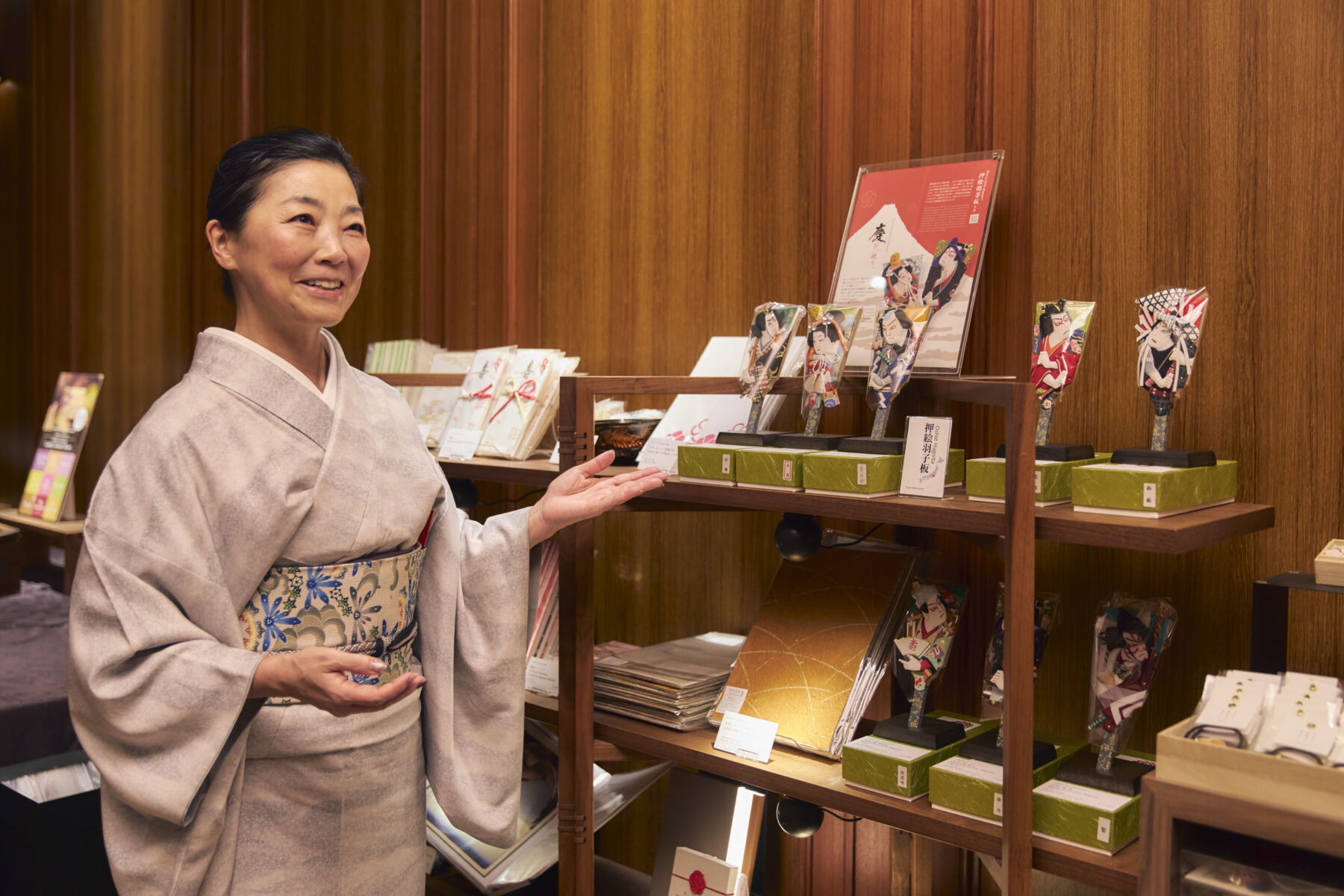
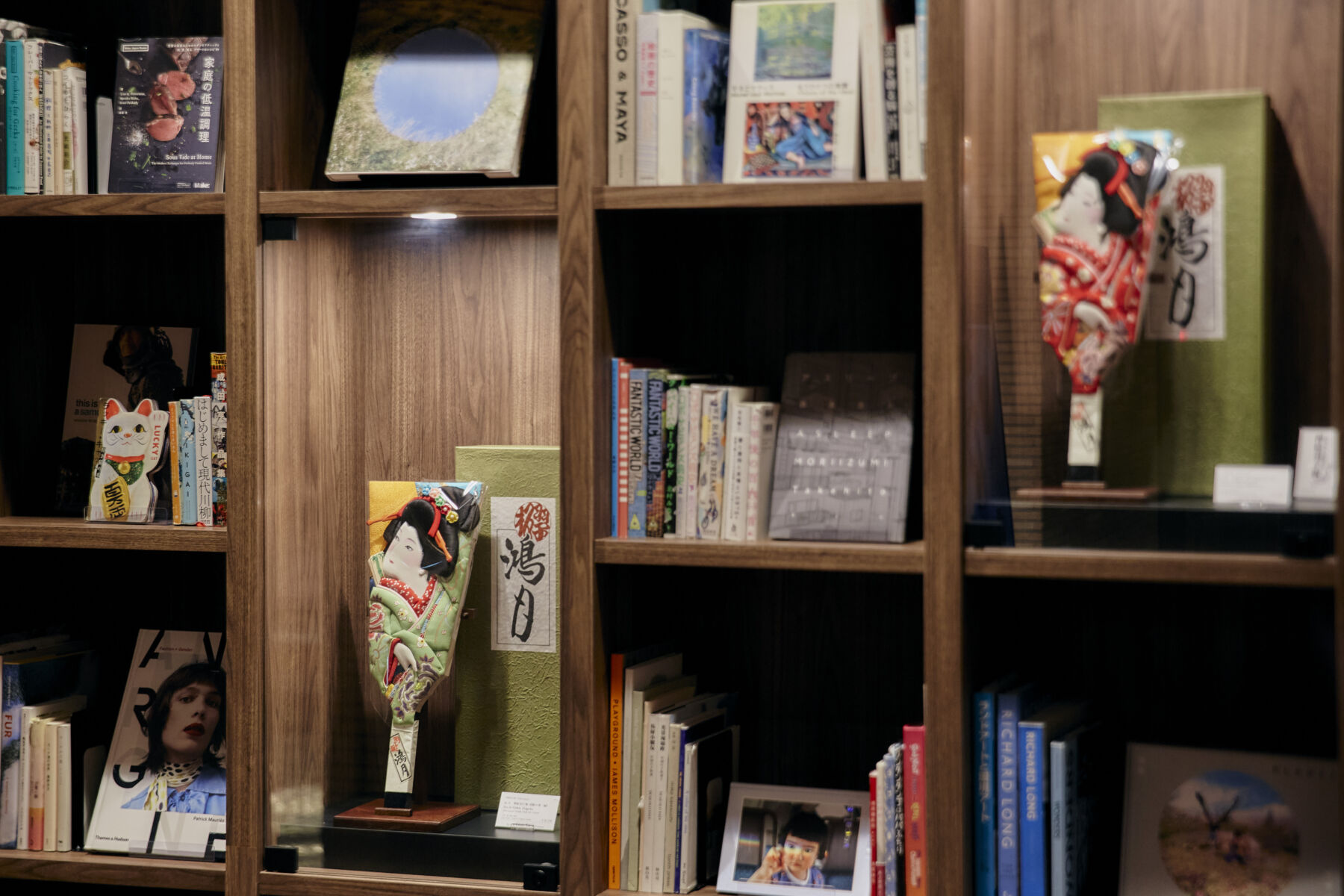
Many of the hagoita lined up at this Hagoita Market are based on kabuki plays, and seeing designs of kabuki actors such as “Benkei,” “Sukeroku,” and “Fuji Musume” displayed at the stalls can truly be called full of Edo feeling.
The hagoita introduced in Tale of Artisans Vol.17 “Yorokobi” are Oshie Hagoita by “Hagoita Kogetsu,” which also has a stall at this Hagoita Market. We also offer small and charming mini hagoita, with sets inspired by many different kabuki plays.
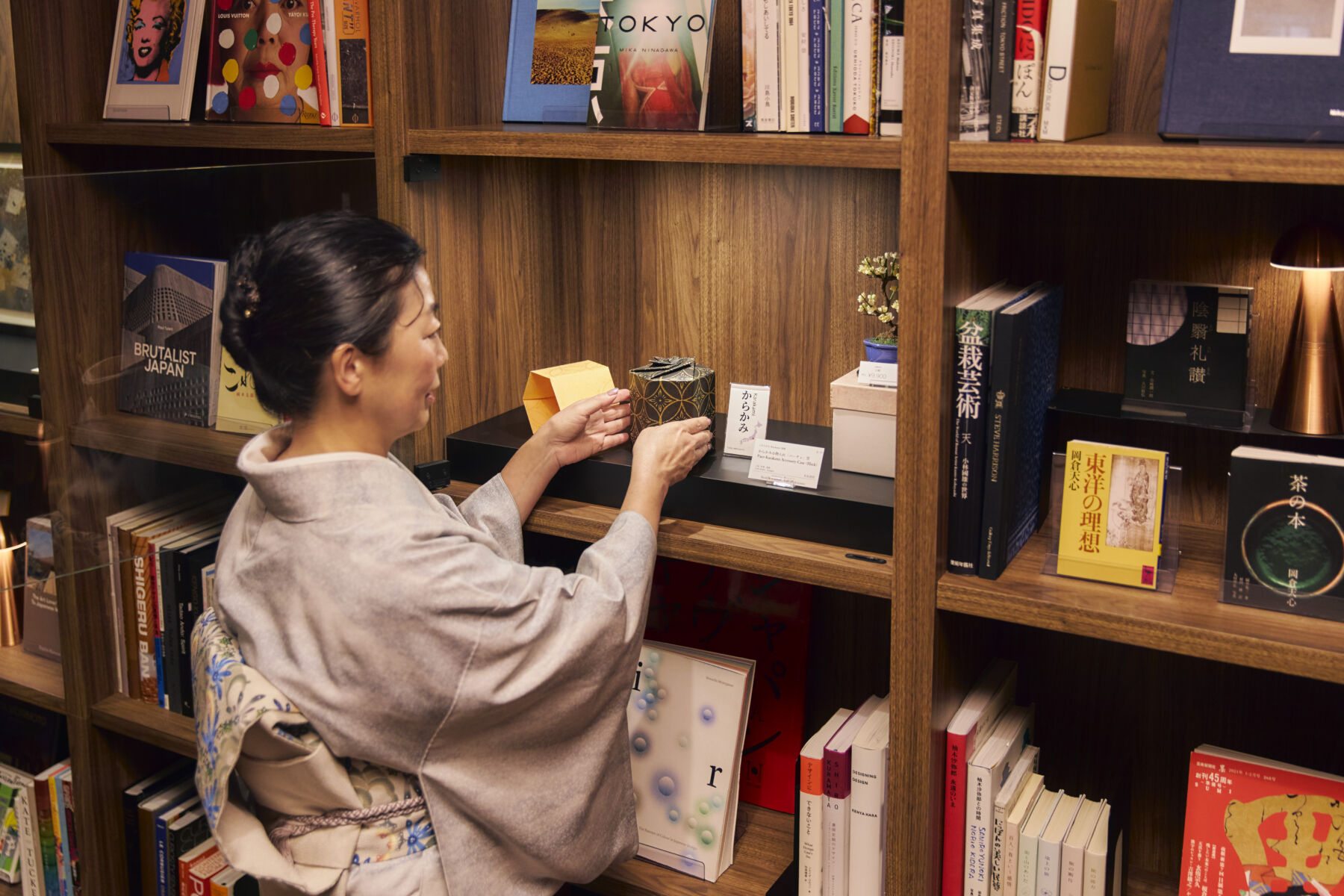
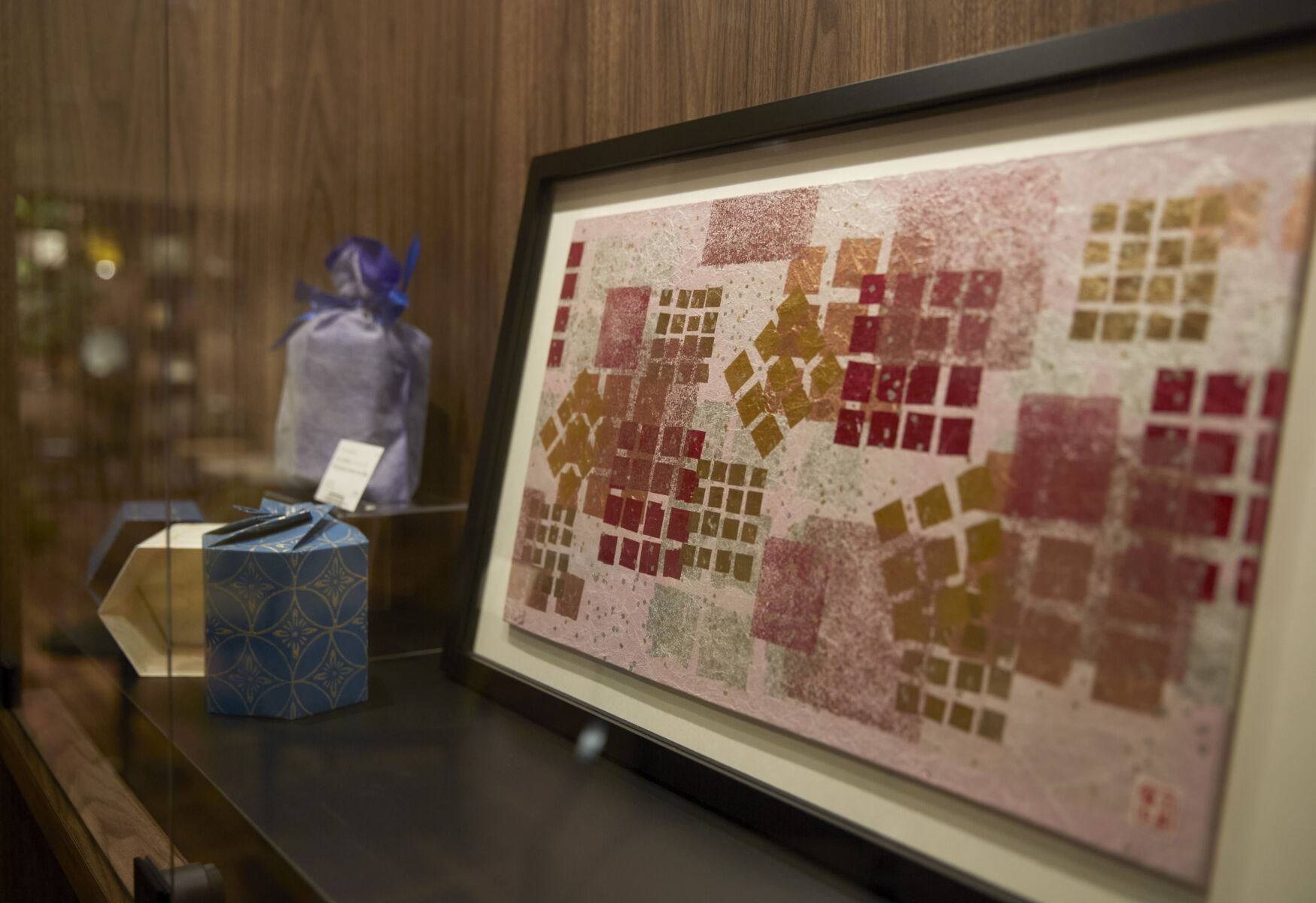
The other craft introduced in Tale of Artisans Vol.17 “Yorokobi” is karakami, decorative paper that came from China’s Tang dynasty. Karakami printed by hand from woodblocks, and karakami finished with gold or silver powder, were used in the Heian period as decorative paper for waka and letters (Eiso ryoshi). After the medieval period, karakami began to be used on fusuma and folding screens. Today, as lifestyles have become more western and there is less need for fittings such as fusuma, karakami makers are developing new products in areas such as stationery and art panels.
At Tale of Artisans Vol.17 “Yorokobi,” we have prepared items that let you enjoy the beauty of karakami in daily life, starting with pochibukuro (small New Year gift envelopes), which are essential for the New Year. Please come and enjoy a pleasant time.